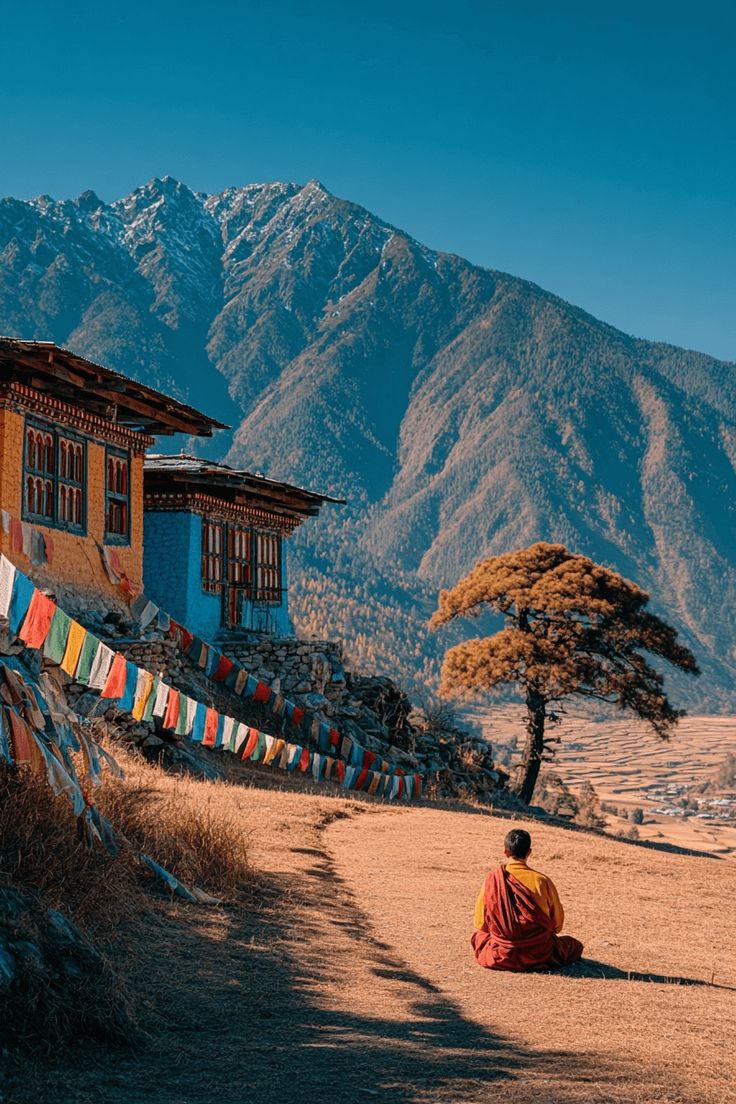
From Farm to Fork: Discovering Organic Tourism in the Mid-Hills
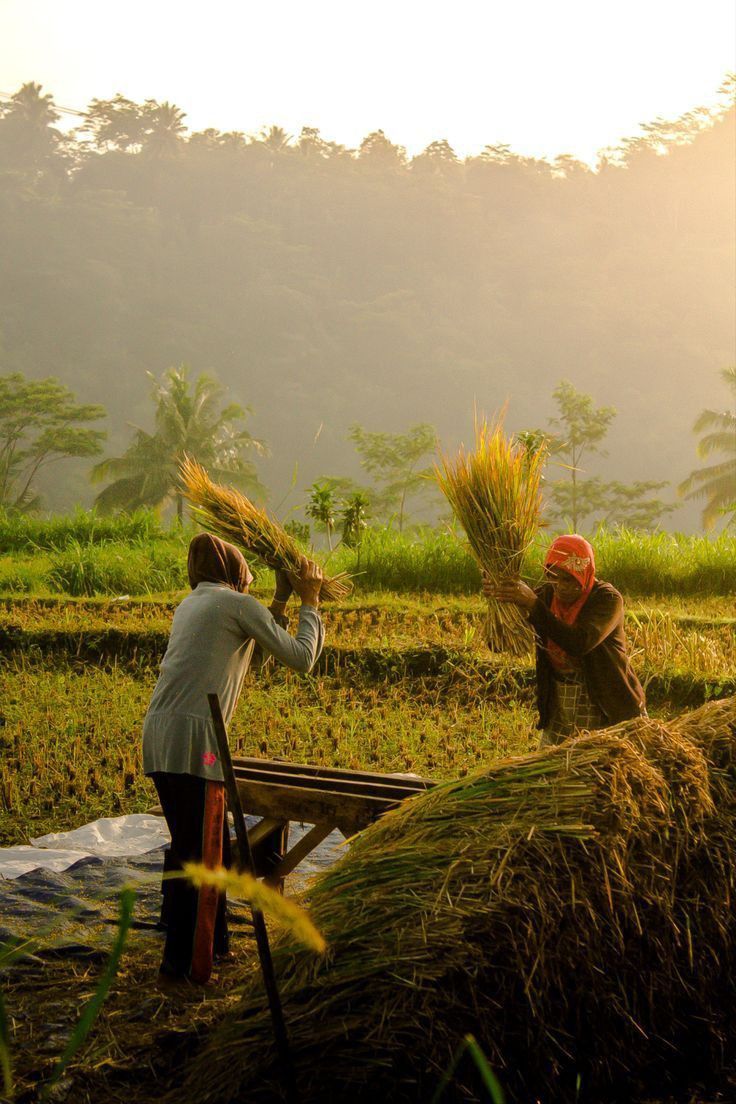
This post focuses on organic tourism and community homestays in the mid-hills of Nepal. It highlights the benefits of "farm-to-table" experiences and explains how agri-tourism supports local economies and environmental health.
The Joy of Rural Living
There is a profound connection between the land we walk on and the food we eat. Organic tourism (or agri-tourism) is a growing trend in 2025, where travelers visit rural farms to learn about traditional agriculture. In the mid-hills of Nepal, this isn't a "trend"—it’s a way of life that has existed for centuries.
Community Homestays and Organic Farming
The Healing Cup is a proud supporter of the Community Homestay Network. When you stay in a village like Panauti or Dhankuta, you aren't just a spectator. You are invited to:
-
Harvest Seasonal Produce: Pick your own oranges, ginger, or tea leaves.
-
Learn Traditional Cooking: Discover the secret to a perfect Dal Bhat using wood-fired stoves.
-
Participate in Farm Chores: From milking cows to helping with the rice planting, these activities offer a grounding experience that no luxury hotel can provide.
Why Sustainable Eating Matters
Choosing farm-to-table travel supports local farmers and reduces the carbon emissions associated with transporting food. It also ensures that what you put in your body is free from chemical pesticides, providing a detox for your system while you travel.
The Cultural Impact
By visiting these communities, you provide an economic incentive for young people to stay in their villages and preserve traditional farming techniques rather than migrating to cities. This is the heart of responsible tourism.
Conclusion: Tasting the Himalayas
The best way to know a culture is to eat its food. When that food is grown with love in a mountain garden, the experience is unforgettable.